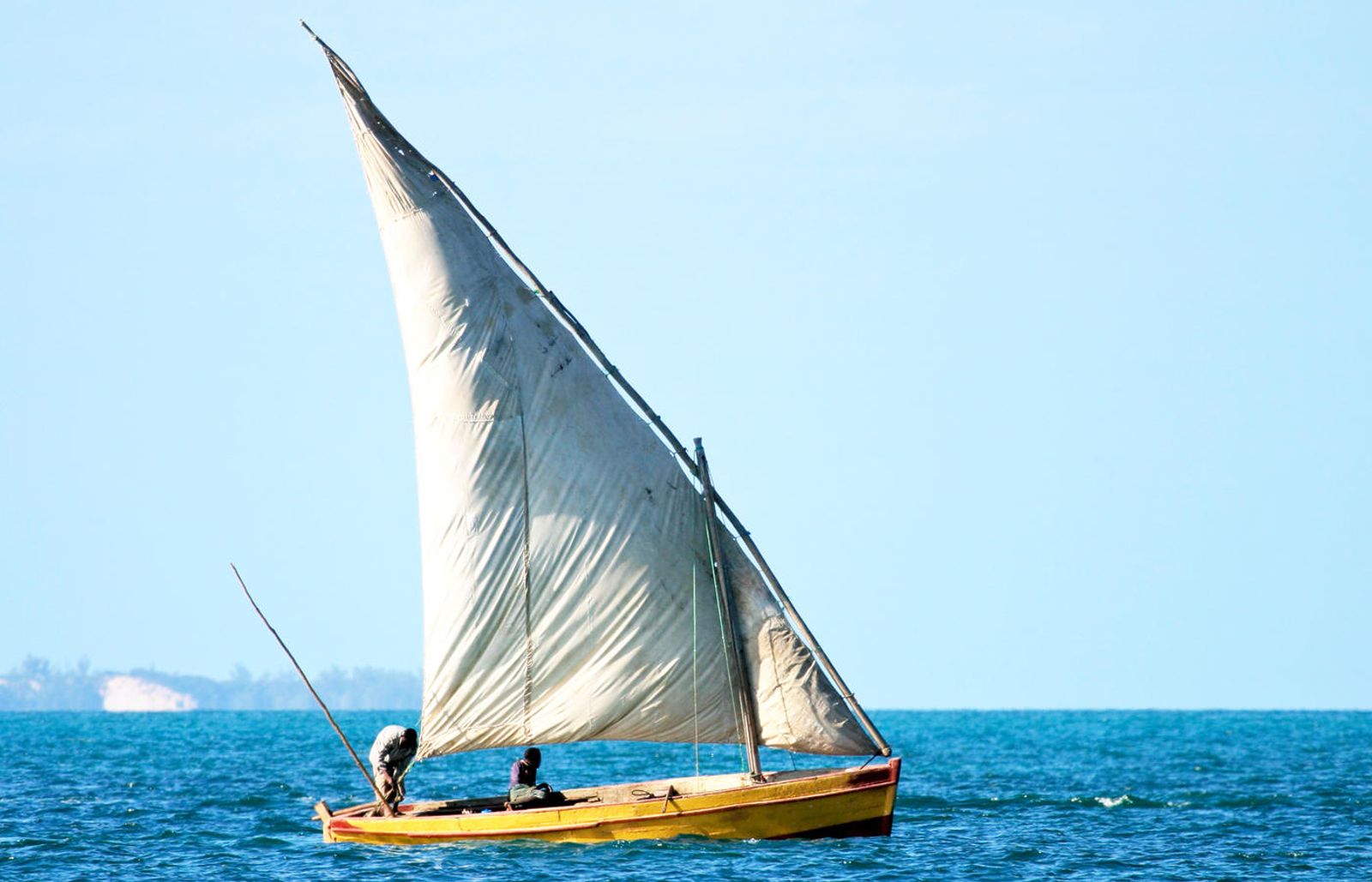
Mozambique's 2,500km Indian Ocean coastline offers turquoise water, coral reefs, colonial towns, and wildlife parks without the crowds. Here are the seven destinations to anchor a first trip.
Mozambique's 2,500-kilometre Indian Ocean coastline is one of Africa's best-kept secrets: warm turquoise water, coral reefs, colonial-era towns, and wildlife-rich parks, all without the crowds you'll find further south. If you're planning a first trip to Mozambique, these seven destinations should anchor your itinerary — whether you're after island-hopping, scuba diving with whale sharks, or a Mozambique safari and beach combo.
Bazaruto Archipelago
Six islands scattered across Africa's largest marine reserve, the Bazaruto Archipelago National Park is Mozambique's signature destination. Expect powder-white dunes, protected coral reefs, and some of the best diving, snorkelling, and deep-sea fishing on the continent — including sightings of dugong, manta rays, and nesting turtles. Accommodation ranges from barefoot-luxury lodges to intimate beach camps, all reachable by boat or light aircraft from Vilanculos.
Vilanculos
The mainland gateway to Bazaruto, Vilanculos sits on a broad bay shielded by the outer islands, which keeps its waters calm and family-friendly. It's also one of Mozambique's most accessible beach towns — served by Vilanculos Airport (VNX) with direct flights from Johannesburg and Maputo — with a good spread of hotels for every budget, making it a natural first or last stop on a coastal trip.
Tofo
A laid-back surf-and-dive town near Inhambane, Tofo draws travellers for one reason above all: reliable whale shark and manta ray encounters. Whale shark season runs roughly October to March, while manta rays are seen year-round at the local cleaning stations. Beyond diving, there's surfing, horse riding on the beach, dhow sailing trips, and an easy walk to the Barra Lighthouse to snorkel the wreck of the SS Inharrime.
Inhambane and Barra
Inhambane is one of Mozambique's oldest towns, with faded Portuguese architecture and a relaxed harbour-front atmosphere. Nearby, the Barra Peninsula has wide, palm-lined beaches and Manta Reef, a world-renowned spot for manta ray sightings and, in season, some of the best whale shark swimming in the country.
Ilha de Moçambique
A UNESCO World Heritage Site connected to the mainland by a narrow bridge, Ilha de Moçambique is a living museum of forts, cathedrals, and merchant mansions dating back to the 16th century — the only UNESCO site in Mozambique. Wander the coral-stone streets of Stone Town, cross into the more colourful Makuti Town, and take a dhow trip at sunset for one of the country's most memorable evenings.
Gorongosa National Park
For travellers who want a wildlife safari alongside their beach time, Gorongosa National Park is one of Africa's great conservation comeback stories. Decades after civil war decimated its animal populations, lions, leopards, hyenas, and large herds of antelope have returned, making it an increasingly compelling addition to a Mozambique itinerary.
However you combine them, a Mozambique trip rewards a slower pace: fewer stops, more time on each island or beach, and plenty of room for the country's dhows, reefs, and history to work their way into your plans.
Frequently Asked Questions
When is the best time to visit the Mozambique coast?
The dry season, April to November, offers the most reliable weather for diving and beach travel. For whale shark swimming specifically, aim for October to March; for humpback whale watching, June to September is best.
Do I need a visa to visit Mozambique?
Most nationalities require a visa, though many can get one on arrival or apply online via an e-visa. Check current requirements with the Mozambican embassy or consulate before you travel, as rules change periodically.
Is Mozambique safe for tourists?
The main coastal tourist areas — Vilanculos, Bazaruto, Tofo, Inhambane, and Ilha de Moçambique — are generally safe and well-used to visitors. As with anywhere, take standard precautions with belongings and avoid walking alone at night. Malaria is present across the country, so antimalarial medication and mosquito precautions are strongly recommended.
How do I get to Bazaruto Archipelago?
Fly into Vilanculos Airport (VNX) from Johannesburg or Maputo, then transfer to the islands by boat (around 30–45 minutes) or light aircraft, usually arranged through your lodge.
Can you see whale sharks year-round in Mozambique?
Manta rays are present year-round at cleaning stations near Tofo and Barra, but whale sharks are most reliably seen from October to March.
How many days do you need for a Mozambique coastal trip?
A minimum of 7–10 days lets you combine two or three destinations without rushing — for example, Vilanculos/Bazaruto plus Tofo, or a beach stint paired with Gorongosa for wildlife. Two weeks allows a slower pace across more of the coast.
Is Gorongosa National Park worth adding to a beach itinerary?
Yes, if you want a genuine wildlife safari without leaving Mozambique. It pairs naturally with a coastal stay via a short domestic flight, combining Big Five-style game viewing with beach time.
What currency is used in Mozambique, and can I pay in US dollars?
The local currency is the Mozambican metical (MZN). US dollars and South African rand are widely accepted in tourist areas, but it's worth carrying some local currency for smaller vendors and remote areas.
Tags
Written by
Travel Specialists