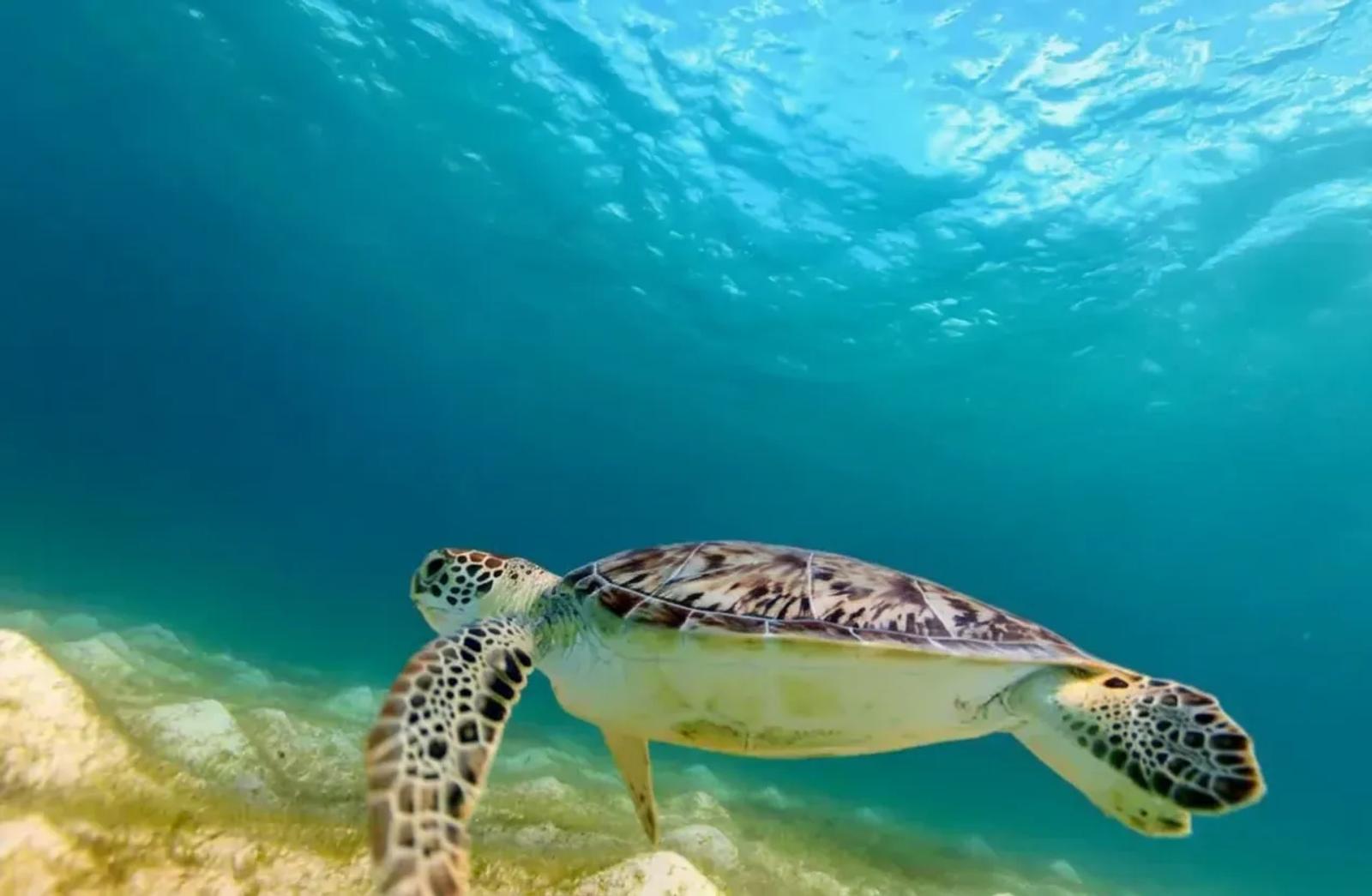
November marks a turning point on the Mozambican coast: the first rains arrive, the bush turns green, and turtles begin nesting on quiet beaches. Here's how to make the most of travelling in this in-between month.
If October is the quiet before the rains, November is when the curtain finally lifts. Across Mozambique, the dry-season dust settles, the first afternoon storms roll in from the Indian Ocean, and the countryside begins its transformation from brown to brilliant green. For travellers willing to trade guaranteed blue skies for fewer crowds, lower prices and a more dramatic landscape, November can be one of the most rewarding months to visit.
What the weather is really like
November sits at the very beginning of the wet season, which runs roughly from November to March in most of the country. Don't picture week-long downpours. Early-season rain usually arrives as short, heavy bursts in the afternoon or evening, often followed by clear skies and steamy warmth. Temperatures climb steadily, with coastal highs commonly in the high 20s to low 30s Celsius, and humidity increases as the month goes on.
The south, including Maputo, Ponta do Ouro and Inhambane, tends to see the build-up gradually, while the north, around Pemba and the Quirimbas, can turn wetter and more humid a little earlier. Plan your outdoor activities for mornings, keep afternoons flexible, and you'll rarely feel like the weather is working against you.
Turtle season begins
One of November's best-kept secrets is the start of turtle nesting season. From roughly November through to February, loggerhead and leatherback turtles haul themselves onto the southern beaches to lay their eggs, with the stretch of coast around Ponta do Ouro and the Maputo Special Reserve among the best-known areas. Later in the season, hatchlings make their dash to the sea.
If you want to see this, go with a licensed operator or a conservation-minded lodge. Nesting turtles are easily disturbed, so guides keep lights off, maintain a respectful distance and limit group sizes. Never go looking on your own at night with a torch or camera flash, and never touch a turtle or her eggs. Done properly, it is a humbling, unforgettable experience.
Diving and ocean life
Warm water and generally good marine life continue into November, particularly around Tofo and Barra on the Inhambane coast, where manta rays and whale sharks are seen for much of the year. Visibility can be more variable than in the dry months, especially after heavy rain or rough seas, so stay flexible and book a few days of diving rather than just one. Dive operators will happily advise on which sites are working best on a given morning.
Bush, birds and a greener Gorongosa
Inland, the rains bring new life. Migrant birds arrive, wildflowers appear and the floodplains begin to fill. Birdwatchers often rate the green season as the best time of year, with plenty of breeding activity and bright plumage. The trade-off is that thicker vegetation makes some wildlife harder to spot than in the dry season, and certain park roads can become slow or impassable after heavy rain. Check conditions with your lodge before setting out, and build a spare day into any overland itinerary.
Practical tips for November travel
Pack a light rain jacket, quick-drying clothes, reef-safe sunscreen and insect repellent, as mosquitoes become more active with the rain. Speak to a travel clinic about malaria prevention well before you leave, since most of Mozambique is a malaria risk area throughout the year. Waterproof bags for your phone and camera are a cheap and worthwhile addition.
Roads deserve respect. Unsealed tracks turn to mud quickly, so a 4x4 with good clearance is wise outside the main highways, and you should avoid driving after dark. Allow extra time for transfers, and if you're relying on small domestic flights or boat connections, keep a buffer day before any international departure.
It also pays to book ahead for late December. Mozambique's coast is hugely popular with regional visitors over the Christmas and New Year holidays, and the best lodges fill up months in advance. Travelling in early to mid November lets you enjoy the same beaches with a fraction of the crowd, and often at noticeably lower rates.
Who should go in November?
November suits flexible, curious travellers: divers happy to adapt to conditions, nature lovers keen on turtles and birds, and anyone who prefers quiet beaches and good value over perfect postcard weather. If you need cloudless skies every single day, the dry season from May to October remains the safer bet. But if you can embrace a passing storm and a little humidity, you'll be rewarded with warm seas, glowing green landscapes and a Mozambique that feels wonderfully unhurried.
Always check current entry requirements, health advice and local conditions before you travel, and talk to a local operator about what November looks like in the exact corner of the country you're planning to visit.
Tags
Written by
Travel Specialists