Dry season is peak travel time in Mozambique — here's what to pack, when to book, and what to expect from seasonal weather, ocean conditions and road travel.
Right now, Mozambique is deep into its dry season — and if you're weighing when to book a trip, this is the window most seasoned travelers point to. Running roughly from June through October, the dry season brings clear skies and some of the best wildlife viewing conditions of the year. Here's how to plan around it.
Why the Dry Season Is a Popular Time to Visit
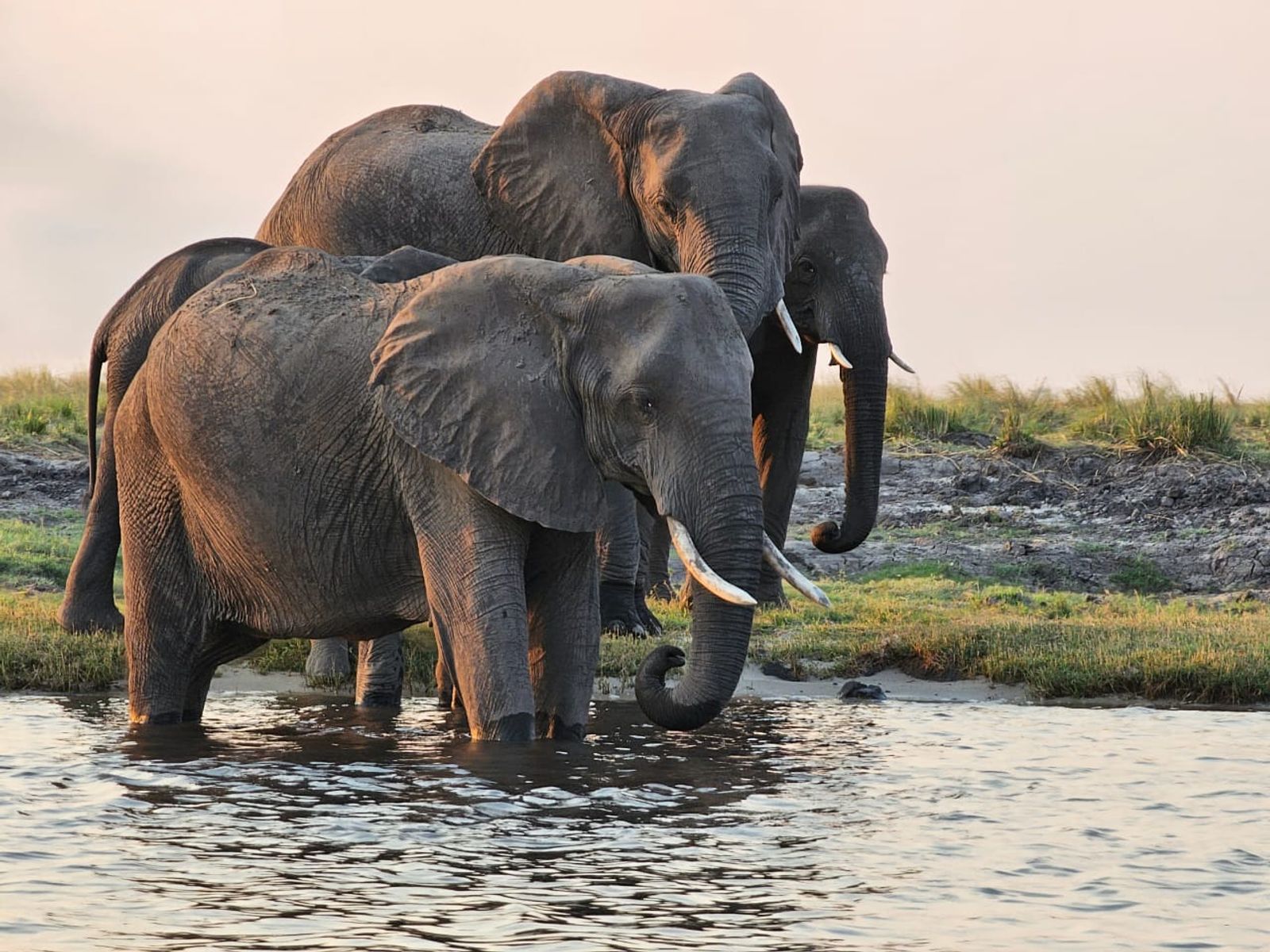
The dry season is one of the most popular times to visit Mozambique, particularly for safari and overland travel. With less rainfall and lower humidity, road conditions are generally more reliable, and wildlife viewing improves as vegetation thins and animals gather around permanent water sources. Along the coast, the weather is often sunny and pleasant, although wind and ocean conditions can vary considerably. For divers and ocean lovers, this is especially important: calm seas and good underwater visibility are not guaranteed throughout the season, and conditions can be challenging at certain times of year. However, the arrival of migrating humpback whales between June and October offers a spectacular seasonal highlight along Mozambique's coastline. The best time to visit ultimately depends on where you want to go and what you hope to experience.
What to pack
Days are warm and dry, but evenings — especially inland and in the south — can turn surprisingly cool, so pack a light fleece or jacket alongside breathable daywear. Sun protection is non-negotiable: reef-safe sunscreen, a wide-brimmed hat, and sunglasses will get heavy use whether you're on a dhow, a dive boat, or a game drive vehicle. If diving or snorkeling is on the itinerary, bring your own well-fitted mask and consider a light wetsuit, since water temperatures dip slightly compared to the summer months. Sturdy, closed-toe shoes are worth the suitcase space for any park visits or market wandering.
Booking and budgeting tips
Because this is high season, popular lodges in the Bazaruto Archipelago and well-known dive camps around Tofo book up well in advance — aim to lock in accommodation at least two to three months ahead if you have specific properties in mind. Flights within the region and connecting through Maputo or Vilanculos also tend to be pricier during this stretch, so booking early can meaningfully soften the cost. If budget flexibility matters more to you than perfect conditions, the shoulder months just before or after peak dry season (May or November) often offer a good compromise of decent weather and lower prices.
Getting around
Self-driving is more feasible in dry season, but Mozambique's road network still rewards caution — a 4x4 is recommended for anything off the main coastal highway, and it's worth confirming fuel availability along your planned route before setting out. For longer distances, regional flights between Maputo, Vilanculos, and Beira save significant time and are widely used by visitors combining a coastal stay with an inland safari leg.
Whether you're chasing whale sharks off Tofo or tracking wildlife through Gorongosa, dry season gives you the most forgiving conditions to do it in. Plan ahead, pack for warm days and cool nights, and you'll get Mozambique at its most accessible.
Tags
Written by
Travel Specialists